How to Beat Procrastination: Practical Strategies Every Student Can Use
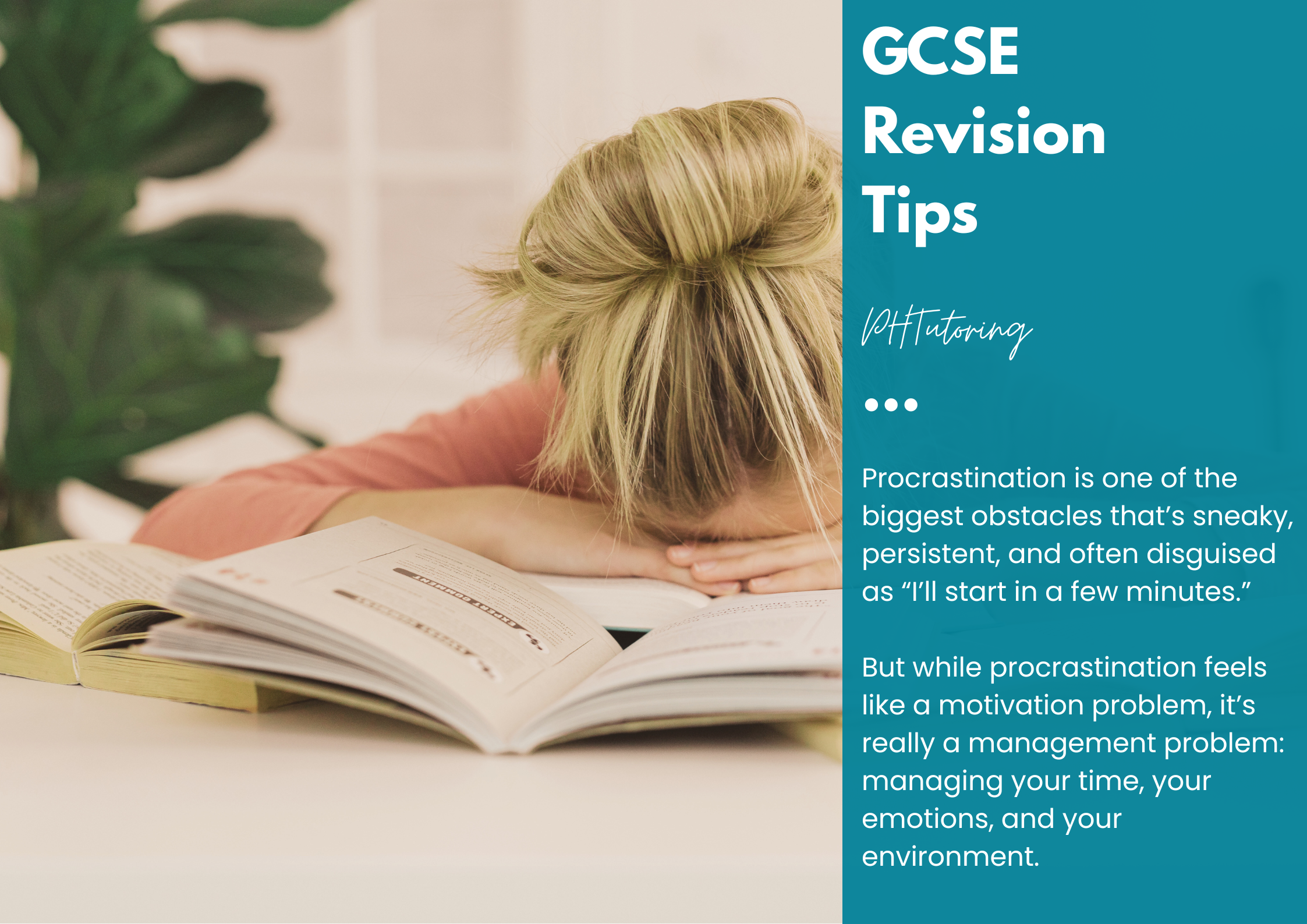
Procrastination is one of the biggest obstacles that’s sneaky, persistent, and often disguised as “I’ll start in a few minutes.” But while procrastination feels like a motivation problem, it’s really a management problem: managing your time, your emotions, and your environment.
With the right strategies, you can break the cycle and build habits that help you stay focused and productive.
Mastering Note-Taking: Techniques Every Student Should Know
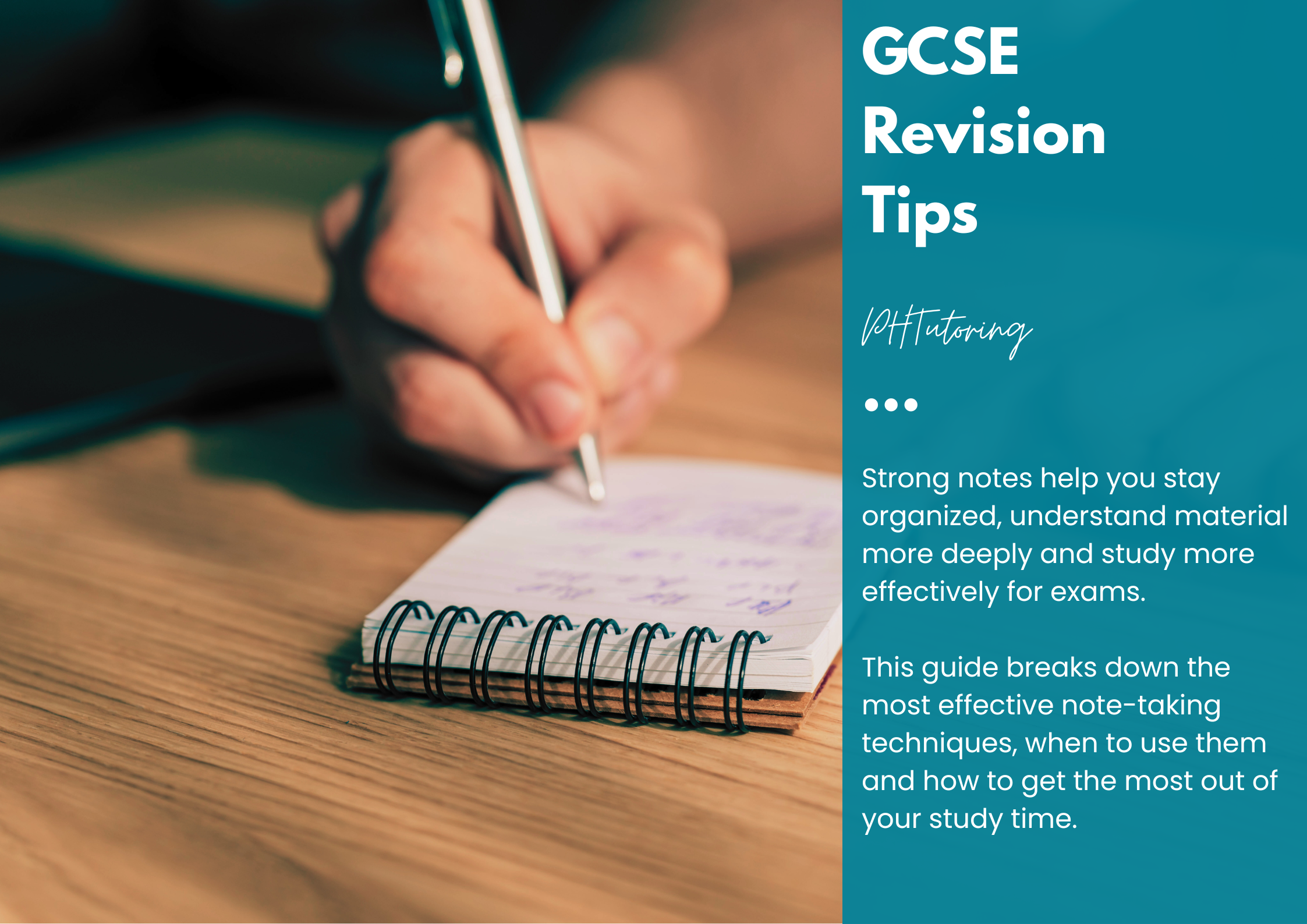
Taking good notes is one of the most powerful skills a student can develop.
This guide breaks down the most effective note-taking techniques, when to use them and how to get the most out of your study time.

Sophisticated Words and Phrases to Boost Your GCSE English Essays
Precise vocabulary can transform a GCSE English essay from good to excellent. Whether you’re writing about a poem, a novel, or an unseen extract, using clear and analytical language shows the examiner that you understand how writers create meaning.
Common Grammar and Punctuation Errors GCSE Students Should Know.
Strong grammar and accurate punctuation can make a huge difference to your GCSE English grades; even small errors can distract from your ideas or cost you marks for technical accuracy. Here are 5 common mistakes students often make, along with examples and tips to help you fix them.

How to Avoid Burnout from GCSE Revision
Quick Wins for Analysing GCSE English Language and Literature
3 Revision Techniques to Revise Smarter